
What is uveitis?
Eye Inflammation – Uveitis
Uveitis refers to a group of inflammatory diseases affecting the internal structures of the eye.
Although the term originally describes inflammation of the uvea—the vascular layer of the eye consisting of the iris, ciliary body, and choroid—the inflammation may also involve important structures such as the retina, vitreous, and optic nerve.
Uveitis can range from mild inflammation to a potentially vision-threatening condition and requires accurate diagnosis and appropriate treatment.
The eye consists of three main layers:
- Sclera – the outer protective layer
- Uvea – the middle vascular layer (iris, ciliary body, choroid)
- Retina – the inner light-sensitive layer responsible for vision
Inflammation of the iris can affect any one of these areas, leading to different types of iritis.
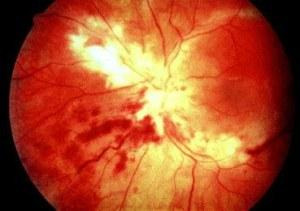
Symptoms of Uveitis
Uveitis may appear suddenly or develop gradually.
Symptoms include:
- Eye redness
- Eye pain
- Sensitivity to light (photophobia)
- Blurred or reduced vision
- Floaters
Symptoms vary depending on the location and severity of inflammation. Some forms may cause significant inflammation with surprisingly few symptoms.
Causes of Uveitis
Uveitis has many possible causes and identifying the underlying mechanism is an important part of management.
Infectious causes
These include:
- Viruses (such as herpes viruses)
- Bacteria (including tuberculosis and syphilis)
- Parasites (such as toxoplasmosis)
Fungal infections in selected cases
- Systemic diseases (arthritis, sarcoidosis, collagen diseases)
- Autoimmune Diseases
- Trauma
- Postoperative reactions
Important: In many cases, the cause remains unknown.
Types of Uveitis
Uveitis is classified according to the main location of inflammation.
1. Anterior Uveitis (Iritis)
The most common form.
It primarily affects the front part of the eye.
It often causes:
- A sudden start
- Often painful
- It usually lasts 6–8 weeks
2. Intermediate Uveitis
Inflammation mainly involves the vitreous and peripheral retina.
- It affects the muscle of adaptation
- It may have a recurrent course
3. Posterior Uveitis
Inflammation affects the retina, choroid, or retinal blood vessels.
- A chronic condition
- It can cause permanent damage to the retina if not treated immediately
Diagnosis
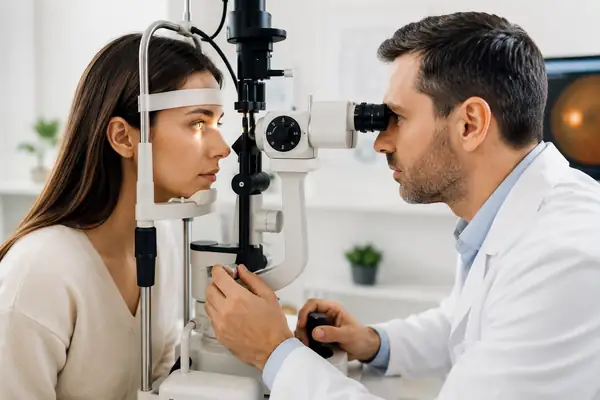
Uveitis requires specialized evaluation to identify the type, severity, and possible underlying cause.
Diagnosis may include:
- Complete ophthalmic examination
- Dilated retinal examination
- OCT imaging of the retina
- Fundus autofluorescence imaging
Fluorescein and indocyanine green angiography

Treatment
Treatment depends on the type of uveitis, the severity of inflammation, and the underlying cause.
1. Local treatment
- Corticosteroid eye drops
- Dilating drops to reduce pain and prevent adhesions
2. Systemic treatment
- Oral corticosteroids
- Steroid-sparing immunosuppressive medications
- Targeted biological therapies for specific inflammatory diseases
3. Treatment of infectious uveitis
- When inflammation is caused by infection, specific antimicrobial treatment is required, such as antiviral, antibiotic, antifungal, or antiparasitic therapy.
- Slow-release patches for long-term inflammation control
Early treatment is crucial for protecting vision.
Frequently Asked Questions
If not properly controlled, uveitis may lead to:
- Glaucoma
- Catararact
- Neovascularization
- Retinal Damage
- Permanent vision loss
Early diagnosis and appropriate long-term monitoring significantly reduce the risk of complications.
- Persistent eye redness
- Eye pain or light sensitivity
- Sudden blurred vision
- New floaters
Shadows or missing areas in your vision
A doctor who specializes in this condition