

SERVICES/ RETINOPATHY
Retinopathy of Prematurity
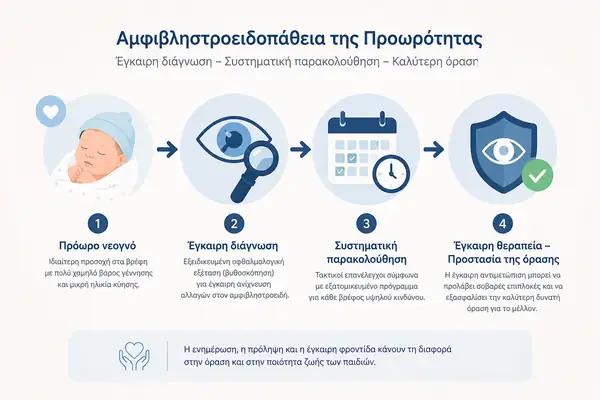
Retinopathy of Prematurity is a retinal disease that affects premature infants, particularly those born with a very low weight (less than 1250 g) or at an early gestational age (less than 32 weeks).
What is it?
Retinopathy of Prematurity is a retinal disease that affects premature infants, particularly those born with a very low weight (less than 1250 g) or at an early gestational age (less than 32 weeks).
It is caused by abnormal development of the retinal blood vessels. If not detected and treated in a timely manner, severe forms of ROP may lead to permanent vision loss. It remains one of the leading preventable causes of childhood blindness worldwide.
How and in whom does it occur?
Advances in modern neonatology have significantly improved the survival of premature infants. However, these infants remain at increased risk of developing ROP
In premature babies, the retinal blood vessels are not fully developed at birth. The transition from the protected environment of the womb to the Neonatal Intensive Care Unit, along with factors such as oxygen fluctuations, can disrupt normal vascular development.
Additional risk factors, including anemia, blood transfusions, infections, brain hemorrhage, and respiratory problems, may increase the likelihood of developing more severe forms of the disease.
In premature babies, the retinal blood vessels are not fully developed at birth. The transition from the protected environment of the womb to the Neonatal Intensive Care Unit, along with factors such as oxygen fluctuations, can disrupt normal vascular development.
Additional risk factors, including anemia, blood transfusions, infections, brain hemorrhage, and respiratory problems, may increase the likelihood of developing more severe forms of the disease.
Stages of the Disease
Retinopathy of Prematurity is classified into five stages according to severity:
- Stages 1–2: Mild to moderate abnormalities of retinal blood vessels development, which often resolve spontaneously without treatment.
- Stage 3: More severe disease characterized by abnormal new vessel growth (neovascularization), which may require timely treatment.
- Stages 4–5: Partial or complete retinal detachment, representing advanced stages of ROP that require specialized management and may have a significant impact on vision.
Prevention
How can retinopathy of prematurity be prevented?
Prevention and effective management of ROP rely on two essential principles:
-
1. Mitigating risk factors in the Neonatal Intensive Care Unit, including careful monitoring of oxygen levels.
-
2. Early detection through a structured screening program, with regular retinal examinations for all high-risk newborns according to internationally established criteria based on gestational age and birth weight.
Early diagnosis allows treatment to be performed before the disease progresses to retinal detachment.
Diagnosis
How is retinopathy of prematurity diagnosed?
ROP is diagnosed by a specialized ophthalmologist through:
- Dilated retinal examination
- Assessment of retinal blood vessel development
- Regular monitoring according to an individualized follow-up schedule
Timely diagnosis is essential for protecting long-term vision.
Treatment
How is retinopathy of prematurity treated?
Treatment depends on the severity and characteristics of the disease and may include:
- Laser photocoagulation (diode laser): A well-established treatment for severe ROP that reduces the risk of disease progression when performed at the appropriate time.
- Intraocular medical therapy (anti-VEGF): Used in selected cases to reduce abnormal blood vessel growth, either alone or in combination with laser treatment.
- Surgical treatment (vitrectomy or scleral buckle surgery): Used in advanced cases where retinal detachment has developed.
Frequently Asked Questions
What are the risk factors for retinopathy of prematurity?
- Very low birth weight
- Short gestation period
- Hyperoxia in the Neonatal Unit
- Breathing difficulties
- Anemia and Blood Transfusions
- Infections
- Cerebral hemorrhage
Every high-risk newborn should be monitored according to a predetermined protocol. Timely treatment can prevent the condition from progressing to retinal detachment and ensure the best possible long-term vision.
A doctor who specializes in this condition
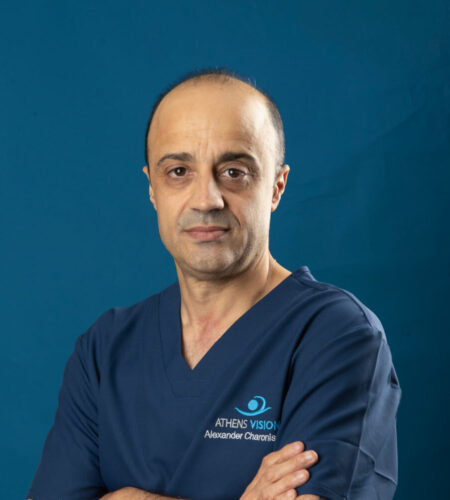
ALEXANDER CHARONIS
Ophthalmic Surgeon
Director of the Retina Department at AthensVision, Board Certified by the American and European Boards of Ophthalmology
Specialties: Vitreoretinal Surgery, Ocular Infections