Diabetic Retinopathy
Diabetic retinopathy is one of the most common complications of diabetes mellitus and one of the leading causes of vision loss among adults worldwide.
What is diabetic retinopathy?
Diabetic retinopathy is one of the most common complications of diabetes mellitus and one of the leading causes of vision loss among adults worldwide.
This damage may lead to:
- leakage of fluid or blood from retinal vessels
- swelling of the macula (diabetic macular edema)
- reduced blood supply to parts of the retina (ischemia)
- formation of abnormal new blood vessels
- retinal detachment
- increased eye pressure due to abnormal vessel growth
Types of Diabetic Retinopathy
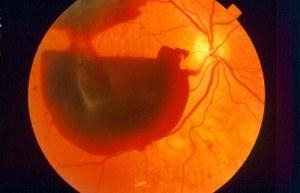
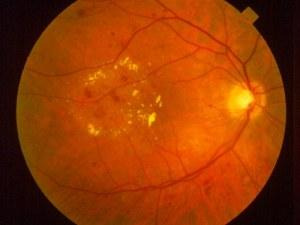
1. Non-Proliferative Diabetic Retinopathy (NPDR)
- small retinal blood vessels become damaged and may leak fluid or blood
- deposits called exudates may develop
- swelling of the retina can occur
- some retinal capillaries may become blocked, reducing blood supply
Diabetic Macular Edema
It occurs when damaged blood vessels leak fluid into the macula—the central area of the retina responsible for sharp vision, reading, and recognizing faces.
Macular Ischemia
2. Proliferative Diabetic Retinopathy (PDR)
These vessels:
- are fragile
- bleed easily
- are associated with scar tissue formation
- may create traction on the retina
-
Vitreous hemorrhage
Bleeding inside the eye, causing floaters, blurred vision, or sudden severe vision loss.
-
Tractional retinal detachment
Scar tissue pulls the retina away from its normal position, potentially causing permanent visual damage.
-
Neovascular glaucoma
Abnormal blood vessel growth can block normal fluid drainage from the eye, leading to dangerously increased eye pressure and damage to the optic nerve.
Symptoms
As the disease progresses, patients may experience:
- blurred vision
- difficulty reading
- distortion of straight lines
- dark spots in the center of vision
- floaters
- sudden loss of vision due to bleeding inside the eye
- pain or redness in cases of neovascular glaucoma
Diagnosis
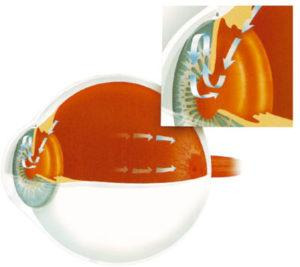
Dilated retinal examination
Fluorescein angiography
OCT (Optical Coherence Tomography), including OCT angiography
Treatment
1. Prevention – the most important treatment
Large international studies have shown that:
- good blood glucose control
- control of blood pressure
- management of cholesterol and other cardiovascular risk factors
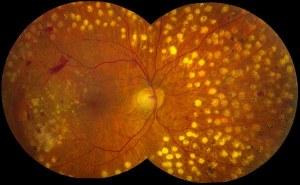
3. Laser Treatments
- Targets leaky blood vessels
- Improves vision
- In some cases, it also offers improvements
-
Used mainly for proliferative diabetic retinopathy.
-
It reduces the stimulus for abnormal blood vessel growth and lowers the risk of severe bleeding and retinal detachment.
- Prevents bleeding and future detachments
3. Intraocular injections
Anti-VEGF medications reduce abnormal blood vessel growth and decrease fluid leakage, often leading to stabilization or improvement of vision.
4. Vitrectomy Surgery
- persistent vitreous hemorrhage
- tractional retinal detachment or macular edema
- advanced proliferative diabetic retinopathy
At Athens Vision, minimally invasive sutureless vitrectomy techniques are applied whenever indicated.
When should a patient with diabetes have an eye examination?
- diabetic retinopathy is present
- macular edema has developed
- the disease is advanced
- pregnancy is planned or occurs in women with diabetes
Early diagnosis and timely treatment can prevent vision loss in the vast majority of patients.
την απώλεια όρασης σε συντριπτικό ποσοστό περιπτώσεων.
Conclusion
With appropriate diabetes control, regular specialized eye examinations, modern imaging, and timely treatment, most patients can preserve useful vision throughout their lives.
Frequently Asked Questions
If you have diabetes or diabetic retinopathy, it is vital that you see an ophthalmologist regularly. They will recommend a schedule of regular follow-up visits, which can play a crucial role in the early detection of more serious changes before they become severe or permanent.
You should also call or visit your doctor if you notice any gradual changes in your vision, such as:
- Loss of vision or difficulty seeing as well as you used to
- Blurred or distorted vision
- Areas in your field of vision that appear blurry, faded, or different from what you used to see
You should go to the emergency room if you experience SUDDEN changes in your vision, such as:
- Severe eye pain
- Complete loss of vision or severe loss of vision
A doctor who specializes in this condition